Montefegatesi
The Village Of Montefegatesi
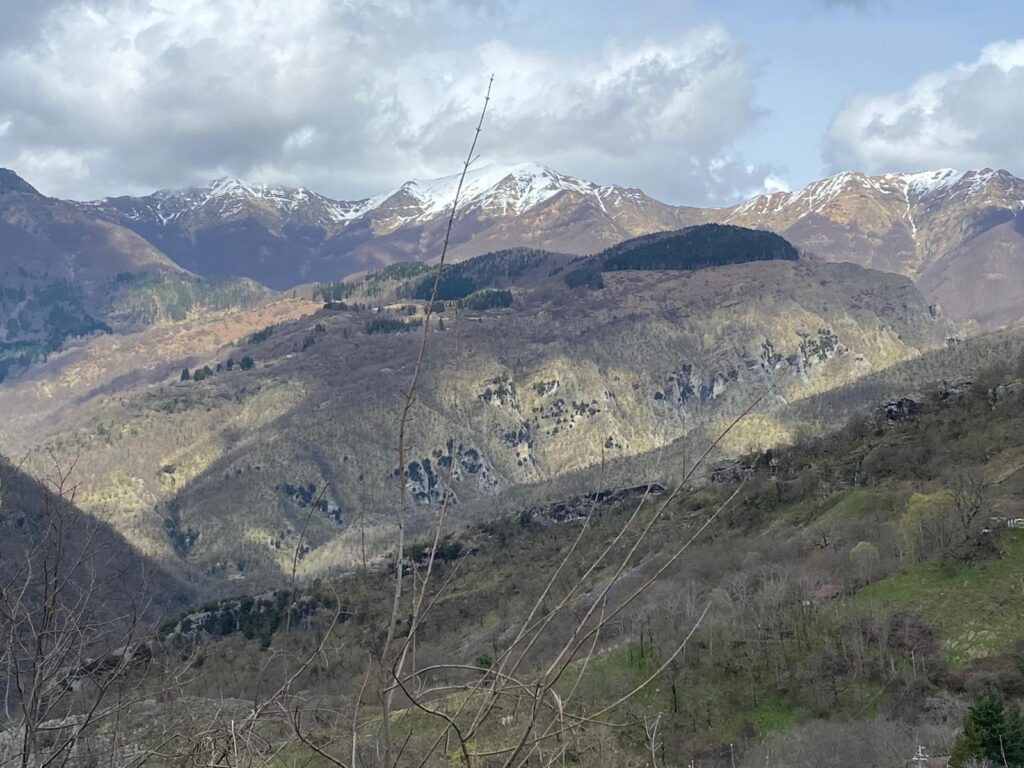
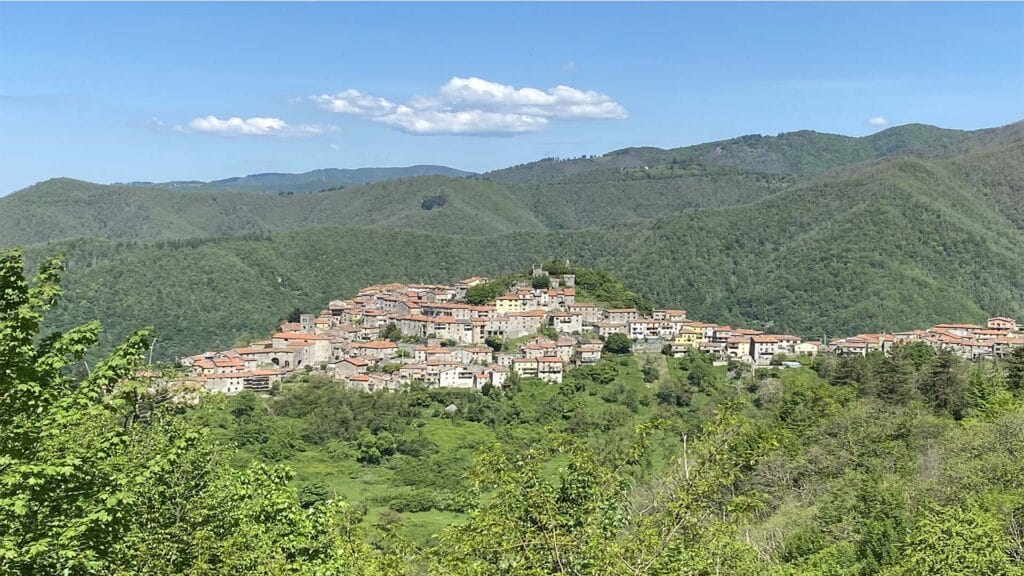
In the region of Garfagnana in the province of Lucca, there is a hidden village in the sky, sometimes blanketed in snow. It sits sleepily in the sun, smiles through the mist, and shares secrets with the rain.
READ MORE
This charming village is beautiful year-round, making it difficult to choose a favorite time to visit. In spring, it is covered with bright pink and coral flowers. In summer, the sky softens with pastel hues. The autumn breeze carries shades of red, yellow, orange, and green. In winter, the light glows with jewel tones like emerald and ruby red.
Casa Lizluba is a minute’s walk from the Piazza in Montefegatesi. Its name comes from the reddish-brown color of the clay found throughout the territory (fegato meaning liver) and the mountain (monte) that rises above the Fegana stream. Montefegatesi is part of the municipality of Bagni di Lucca, known for its centuries-old thermal baths and rich history. The commune has 25 named wards (frazioni). Montefegatesi is a small village with ancient origins, located at 842 meters above sea level. No wonder it is famous for its picturesque views.
READ MORE
There are two windy, steep roads leading to the village. The first follows the road of La Controneria and turns right at the ruins of the Oratory of San Rocco. The second begins at Ponte a Serraglio, passing through Granaiola, Pieve di Monte di Villa, and Monte di Villa, before heading towards the Church of Sant’Anna.
Montefegatesi is first mentioned in a parchment in the archiepiscopal records from the year 983. In 991, the Bishop of Lucca, Teudegrimo, confiscated the possessions of Montefegatesi, which had belonged to the noble Corvaresi family of Versilia. In 1245, Emperor Federico II returned Montefegatesi to Lucca.
The village is strategically positioned, serving as a sentinel of the Lucca republic along the Modenese border. This geographic location made it a key outpost during wars.
READ MORE
In more recent times, the village has hosted notable festivals, including the Presepe Vivente (a living nativity scene, held from Christmas Day through January 6th, where towns across Italy reenact the birth of Jesus). At the Summer Solstice, groups ascend to Pratofiorito to watch the dawn.
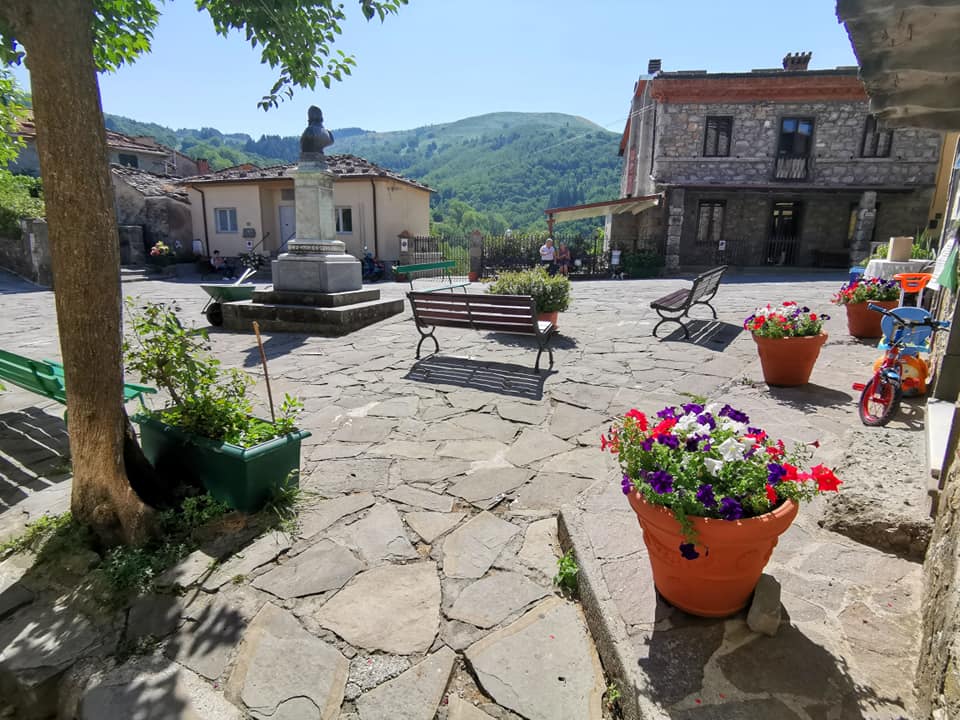
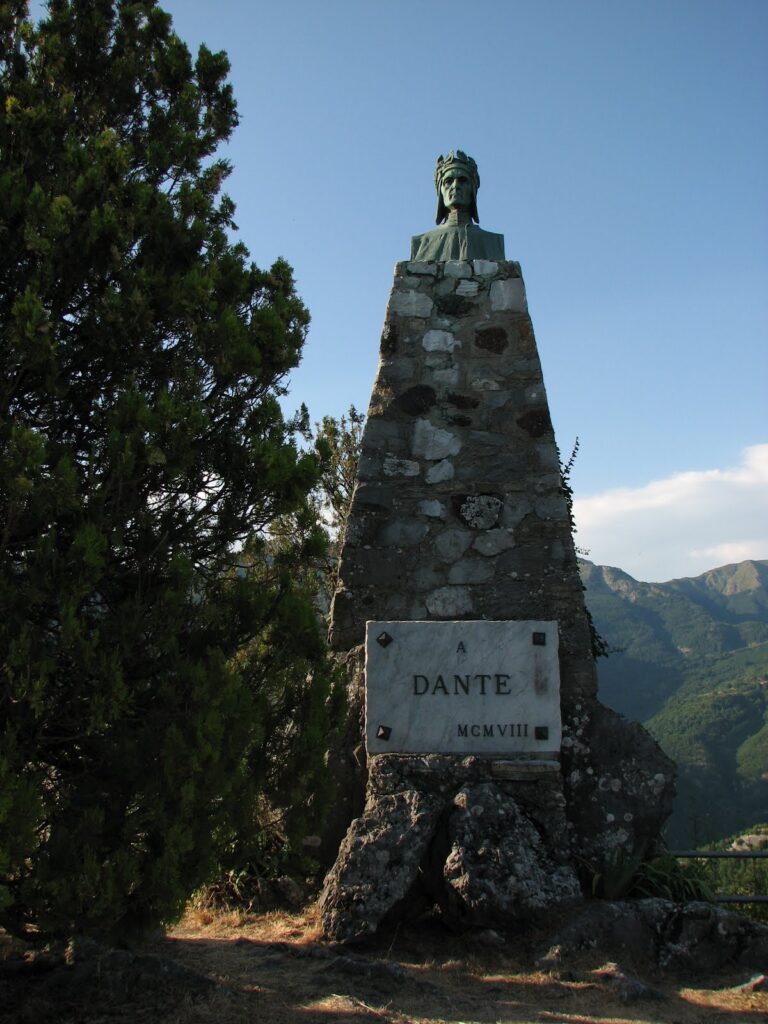
Interestingly, many residents of Montefegatesi have lived in the U.S. and later returned. These returnees clubbed together to fund the statue of Dante Alighieri, which now stands at the highest point of the village.
“Nature is the art of God.”
― Dante Alighieri
Life is good in Montefegatesi. The residents are friendly and always ready to welcome visitors or guests with open arms (and maybe a glass of wine).
In 2019, a popular bar in the village closed its doors.
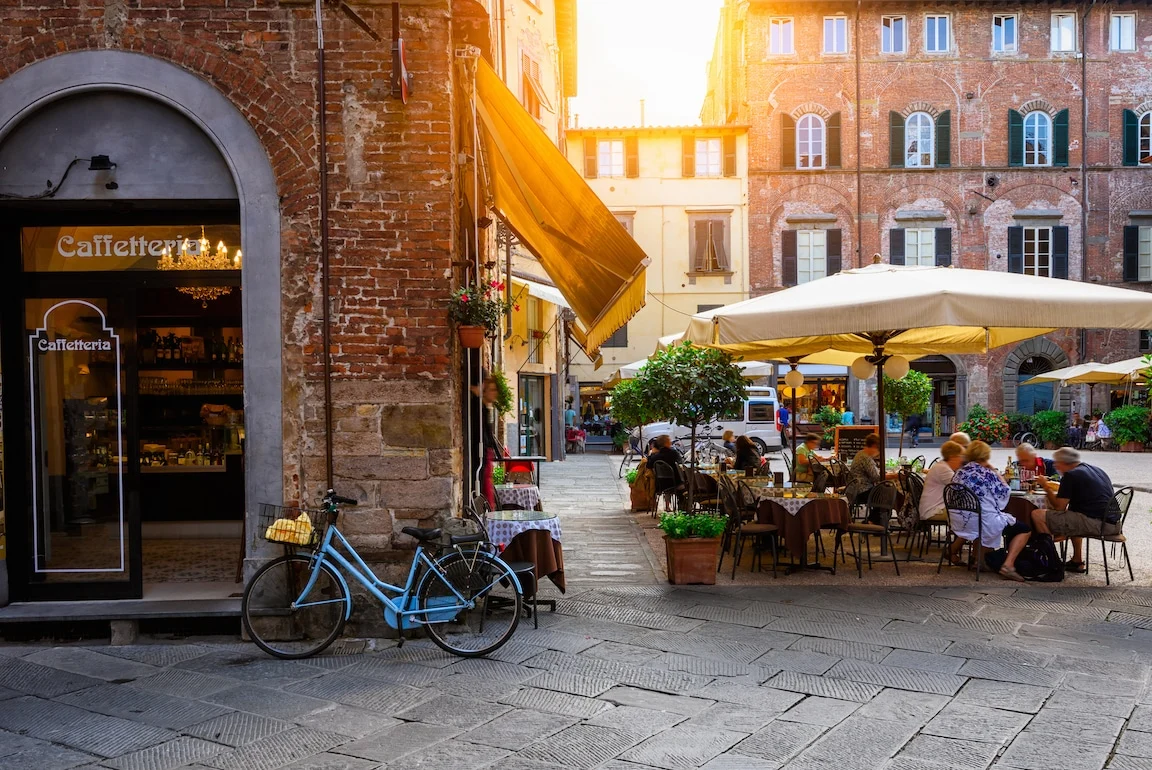
Not one to let a good spot go to waste, the residents took matters into their own hands and opened their very own gathering place for drinks, coffee, and a little something to eat. It’s conveniently located just off the piazza. Keep an eye out for the green sign, it’s circled with an arrow, like a treasure map to your next favorite hangout!
Montefegatesi is first mentioned in a parchment in the archiepiscopal records from the year 983. In 991, the Bishop of Lucca, Teudegrimo, confiscated the possessions of Montefegatesi, which had belonged to the noble Corvaresi family of Versilia. In 1245, Emperor Federico II returned Montefegatesi to Lucca.
The village is strategically positioned, serving as a sentinel of the Lucca republic along the Modenese border. This geographic location made it a key outpost during wars.
READ MORE
In more recent times, the village has hosted notable festivals, including the Presepe Vivente (a living nativity scene, held from Christmas Day through January 6th, where towns across Italy reenact the birth of Jesus). At the Summer Solstice, groups ascend to Pratofiorito to watch the dawn.
Interestingly, many residents of Montefegatesi have lived in the U.S. and later returned. These returnees clubbed together to fund the statue of Dante Alighieri, which now stands at the highest point of the village.